Source Car Repair Oxygen Socket Wrench for Auto Shops
Explore 30 verified listings for a car repair oxygen socket wrench to find the right tool for your needs. Compare key specifications such as material composition, size compatibility, and certification standards to ensure you select the most suitable option for professional automotive maintenance and repair tasks.
Key considerations
Products List


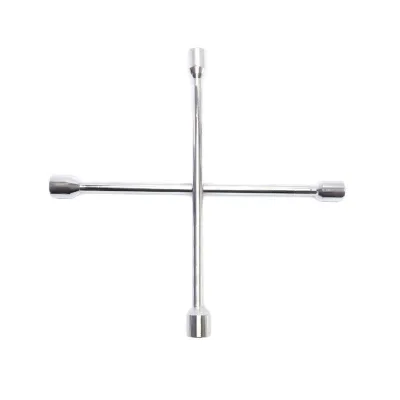
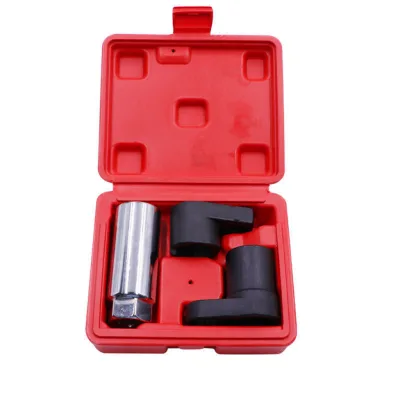




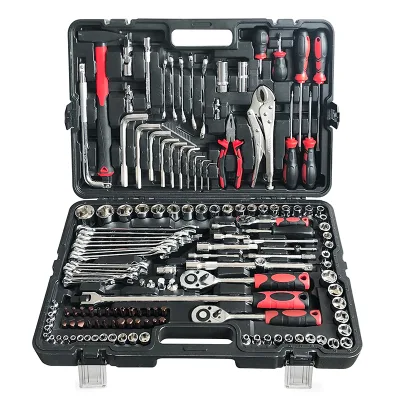




Comprehensive Sourcing Guide
Car Repair Oxygen Socket Wrench Sourcing Guide
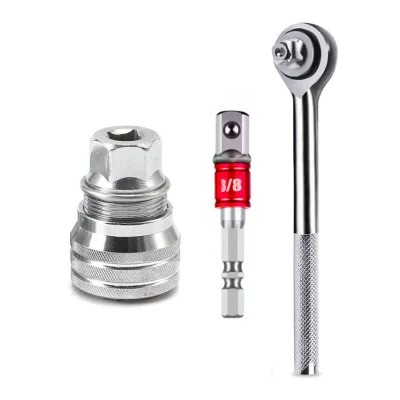
Sourcing specialized tools for automotive maintenance requires distinguishing between general oil filter wrenches and precision oxygen sensor sockets. The available market data indicates a diverse range of products, including chrome-vanadium steel wrenches and impact mechanisms designed for heavy machinery and construction sites. Buyers must carefully evaluate whether a listed item is a standard socket wrench or a specialized tool capable of handling the specific torque and access requirements of oxygen sensor removal in tight engine bays.
Procurement decisions should also account for the variation in product configurations, such as folded versus unfolded designs and different handle types like straight handles. While some listings describe products as "ordinary" or "professional level," the actual utility for oxygen sensor work depends on the specific drive size and point configuration, such as the observed 6-point design. Verifying that the tool matches the vehicle's sensor thread size is critical before committing to a bulk order, as generic descriptions may not guarantee compatibility with modern automotive applications.
Product Scope and Observed Listing Signals
The observed product listings reveal a wide spectrum of specifications, with prices ranging from $0.02 to $1000 and minimum order quantities varying from 1 to 3000 units. This disparity suggests that some items are single-piece tools while others are complete sets, such as those packaged as 30 pieces per set or 4-piece kits. Buyers must scrutinize the "prod_standard" field to confirm if the listing refers to a specific drive size like 1/2 inch or a metric set, ensuring the product scope aligns with the intended repair workflow.
Packaging and origin details provide further insight into the product's intended market and durability. Listings indicate origins in Zhejiang and Shandong, China, with packaging options ranging from slider cards to cartons and BMC materials. The presence of "Mirror Chrome" finishes and "Chrome Plated" treatments suggests a focus on corrosion resistance, which is vital for tools used in automotive environments. However, the variation in packing types implies that buyers should explicitly request packaging specifications to ensure tools arrive in conditions suitable for professional inventory management.
Technical Specifications to Verify
Technical verification must begin with the material composition, as the data highlights both Chrome-vanadium Steel and Carbon Steel options. For oxygen sensor removal, which often involves high torque and potential corrosion, chrome-vanadium steel is generally preferred for its strength and durability. Buyers should explicitly confirm the material grade, distinguishing between "Professional Level" quality and standard grades, to ensure the tool will not strip or break during the extraction of stubborn sensors.
The drive size and point configuration are equally critical for functional compatibility. Observed specifications include 1/2 inch drives, 17mm to 23mm sizes, and 6-point designs, which are standard for socket wrenches. However, the presence of "German Type" and "European Type" standards alongside "Metric" and "DIN/ANSI" classifications requires careful cross-referencing. Buyers must verify that the specific socket size matches the vehicle's oxygen sensor thread and that the 6-point design provides the necessary grip to prevent rounding the sensor head during removal.
Compliance and Safety Documentation
Compliance verification is essential when sourcing tools intended for professional automotive repair environments. The available data lists several certifications, including ISO, CE, GS, and SGS, which indicate adherence to various international safety and quality standards. Buyers should request specific certification documents for the exact model being purchased, as the presence of a general ISO label does not guarantee that every SKU in a supplier's catalog meets the same rigorous safety protocols for impact tools.
Safety documentation also extends to the intended application and working mode of the tool. Listings mention applications in heavy machinery maintenance and automotive repair, with working modes described as manual or utilizing impact mechanisms like a jumbo hammer. It is crucial to confirm that the tool is rated for the specific impact forces expected in the buyer's workflow. Relying on a tool designed for manual use in high-impact scenarios can lead to equipment failure, so verifying the impact mechanism rating against the supplier's safety data is a necessary step.
Cost Drivers and Commercial Terms
Cost structures in this category are heavily influenced by material quality, packaging complexity, and order volume. The observed price range of $0.02 to $1000 reflects the difference between single basic tools and comprehensive professional sets. Buyers should analyze the cost per unit relative to the material grade, such as chrome-vanadium versus carbon steel, and the finish quality, like mirror chrome versus standard plating, to determine the true value proposition of a specific listing.
Commercial terms and delivery logistics also play a significant role in the total cost of ownership. Lead times observed in the data can extend up to 60 days, which impacts inventory planning and project timelines. Payment methods vary from T/T to credit cards, and buyers must negotiate terms that align with their cash flow while ensuring secure transactions. Additionally, the minimum order quantity of up to 3000 units may require strategic planning to avoid overstocking, especially when dealing with specialized tools that have lower turnover rates.
Supplier Qualification and Quality Control
Supplier qualification should focus on their ability to provide consistent quality control and customization support. The data indicates that many suppliers offer OEM and ODM services, allowing for tailored solutions that meet specific automotive repair needs. Buyers should verify the supplier's track record in delivering "Professional Level" products and confirm their capacity to maintain the "All Inspection" quality control standard mentioned in the listings.
Quality assurance processes must be validated through direct inquiry and sample testing. While some listings claim "All Inspection," the actual implementation of this process varies by supplier. Buyers should request detailed quality control reports and sample units to verify the finish, material integrity, and dimensional accuracy. Ensuring that the supplier can consistently meet the specified standards, such as DIN or ANSI, is vital for maintaining the reliability of the tools in a professional automotive repair setting.
Long-Term Procurement Checks
Long-term procurement success depends on establishing a reliable supply chain that can adapt to changing automotive standards and tool requirements. Buyers should monitor the supplier's ability to maintain consistent stock levels of critical sizes, such as the 17mm to 23mm range, and ensure that the lead times remain stable over multiple order cycles. Regular audits of the supplier's production capabilities and quality control measures will help mitigate the risk of supply disruptions.
Continuous evaluation of product performance and market trends is also necessary to maintain a competitive edge. As automotive technology evolves, the demand for specialized oxygen sensor tools may shift, requiring suppliers to update their product lines accordingly. Buyers should maintain open communication with suppliers regarding new developments in tool design, such as improved materials or ergonomic handle types, to ensure their inventory remains relevant and effective for future repair challenges.
FAQs
What material is used for car repair oxygen socket wrenches?
These tools are typically manufactured from chrome-vanadium steel or carbon steel to ensure durability and resistance to corrosion. The surface treatment often includes chrome plating or a mirror chrome finish, which provides a smooth, easy-to-clean exterior. This material selection supports professional-level quality grades suitable for heavy machinery maintenance and automotive repair applications.
Can I customize the car repair oxygen socket wrench design?
Yes, customization is available through OEM and ODM support options. Buyers can request specific modifications to meet unique operational requirements or branding needs. The products are offered in new condition with standard or customized configurations, allowing for tailored solutions that align with specific industrial or automotive maintenance workflows and standards.
Which certifications are available for these socket wrenches?
Available certifications include ISO, CE, GS, and SGS, ensuring compliance with international quality and safety standards. These credentials verify that the manufacturing processes and final products meet rigorous industry requirements. Buyers can rely on these documented certifications to ensure regulatory compliance and quality assurance when sourcing tools for professional automotive or construction site applications.
What is the typical lead time for orders?
The standard delivery lead time is approximately 60 days for production and shipment. This timeframe allows for proper manufacturing, quality control inspections, and logistics coordination. Buyers should plan their procurement schedules accordingly to ensure timely availability of tools for automotive repair, construction sites, or heavy machinery maintenance projects without operational delays.
How are the wrenches packaged for shipment?
Packaging options include slider cards, cartons, and BMC formats to suit different logistical needs. Standard packing configurations may involve sets of 30 pieces or specific counts like 4 pieces per set. These packaging methods protect the tools during transit and facilitate organized storage and distribution for automotive repair shops and industrial maintenance facilities.
What specifications are available for socket wrench sets?
Specifications include common sizes such as 17mm, 19mm, 21mm, and 23mm, often in 1/2-inch drive configurations. Some sets contain 20 pieces or follow metric standards like DIN and ANSI. These varied specifications ensure compatibility with different automotive and heavy machinery applications, providing versatile solutions for diverse repair and maintenance tasks.